
If you’re like many Texans, your water bill has been creeping up lately. And as a native to the area, you’re all too familiar with those extended dry spells that make every drop count. The good news? Your home’s plumbing system offers plenty of opportunities to conserve water and save money at the same time.
Let’s talk about practical upgrades that’ll help you weather the next drought without watching your savings evaporate.
Why Water Conservation Matters More Than Ever in Texas
Texas knows drought. From the Panhandle to the Gulf Coast, dry conditions have become increasingly common. You’re not just fighting to keep your lawn alive, you’re dealing with water restrictions, rising utility rates, and the nagging guilt that comes with watching precious water literally go down the drain.
But here’s the thing: conservation doesn’t have to mean sacrifice. Modern plumbing technology has advanced to the point where you can actually use less water while maintaining the comfort and convenience you’re used to. Sometimes you’ll even improve your experience.
Consider the numbers for a moment. The average Texas household uses about 130 gallons of water per person daily. Cut that by even 20%, and you’re looking at substantial savings over the course of a year. We’re talking hundreds of dollars staying in your bank account instead of flowing through your pipes and into the sewer system.
The environmental impact matters too, especially when reservoirs drop to concerning levels and municipalities implement Stage 2 or Stage 3 water restrictions. Every gallon you conserve helps the broader community manage through tough times. You gain more flexibility in how you use water while others struggle with tight restrictions.
Low-Flow Fixtures: The Easiest Win
Start here. Low-flow fixtures represent the simplest, most affordable entry point into water conservation. You can literally install some of these yourself on a Saturday morning with nothing more than a wrench and some plumber’s tape.
Modern low-flow showerheads use 2.0 gallons per minute or less, compared to older models that guzzle 5 gallons per minute. That’s a 60% reduction. And before you worry about standing under a sad trickle, today’s low-flow showerheads use aerating technology or pressure compensation to maintain that satisfying spray pattern you want. Many people actually prefer the feel of a quality low-flow showerhead to their old water-wasting fixture.
You’ll find the same innovation in faucet aerators. These little devices screw onto your existing faucets and mix air into the water stream. You get what feels like full pressure while using significantly less water. They cost maybe five bucks each. Install them on every sink in your house and watch what happens to your next water bill. The difference will surprise you.
Then there are toilets. If yours was installed before 1994, it’s probably using 3.5 gallons per flush or more. Some older toilets use up to 7 gallons per flush. New WaterSense-labeled toilets use just 1.28 gallons. That’s your single biggest indoor water use getting cut by more than half. For a family of four, we’re talking about saving nearly 13,000 gallons per year.
Modern low-flow toilets work better than their predecessors too. Early versions had a reputation for requiring multiple flushes, which defeated the purpose entirely. Today’s models use improved bowl design and flush technology to clear effectively on the first try. Dual-flush options give you even more control, using less water for liquid waste and full power when you need it.
The installation process for toilets is more involved than swapping a showerhead, but it’s still manageable for DIY enthusiasts. Or you can hire a plumber to handle it in an hour or two. Either way, the return on investment comes quickly when you’re saving thousands of gallons monthly.
Tankless Water Heaters: Efficiency Meets Convenience
You know that frustrating moment when someone’s in the shower and you’re waiting for hot water at the kitchen sink? Or when the third person in line for a morning shower gets stuck with lukewarm water? Tankless water heaters solve these problems while helping you conserve.
Traditional tank water heaters keep 40 to 50 gallons sitting hot all day long, whether you’re using it or not. That’s energy waste, but it also means water waste. You run the tap waiting for hot water to travel from that tank to your fixture. Then when the tank runs low, you’re stuck waiting for it to reheat. During that wait time, you might let gallons of lukewarm water go down the drain.
Tankless systems heat water on demand. When you turn on the hot water tap, cold water travels through the unit and gets heated instantly by electric coils or gas burners. You get an endless supply of hot water. No more strategic shower scheduling in your house. No more running out halfway through washing dishes.
The water conservation benefit comes from reduced waiting time and no standby heat loss. You’re not running the tap as long waiting for hot water to arrive. Plus, many tankless systems can be installed closer to point-of-use locations, cutting down that travel time even further. Some homeowners install multiple small tankless units instead of one central system, placing them near bathrooms, the kitchen, and laundry areas.
Now, you might be wondering: How long should it take a plumber to install a water heater? For a traditional tank water heater replacement, expect the plumber in Weatherford to take about 2 to 3 hours if it’s a straightforward swap. Tankless installations take longer—typically 4 to 8 hours—because they often require additional work like upgrading gas lines, installing new venting, or modifying electrical systems. The complexity depends on your home’s existing setup. If you’re switching from tank to tankless, your plumber might need to make significant changes to accommodate the new system’s requirements.
The initial investment is higher than a tank system, true. But look at the long-term picture. Despite the longer installation time, most homeowners find the benefits compelling. Tankless units last 20 years or more (compared to 10-15 for tank models) and can reduce your water heating costs by 24% to 34% if your household uses 41 gallons of hot water or less daily. You also reclaim the floor space that tank occupied in your garage or utility closet.
Some utility companies offer rebates for tankless water heater installations, particularly for high-efficiency models. That can offset some of the upfront cost difference.
Smart Leak Detection: Your 24/7 Water Guardian
Here’s a sobering fact: the average household leak wastes about 10,000 gallons of water annually. That’s enough to wash 270 loads of laundry. Some leaks are obvious—that dripping faucet you keep meaning to fix. But others hide inside walls or under slabs, silently destroying your home and your water budget.
Smart leak detection systems act like a security system for your plumbing. These devices monitor your water flow constantly, learning your household’s normal patterns. When something looks off, they alert you immediately. No more discovering problems after the damage is done.
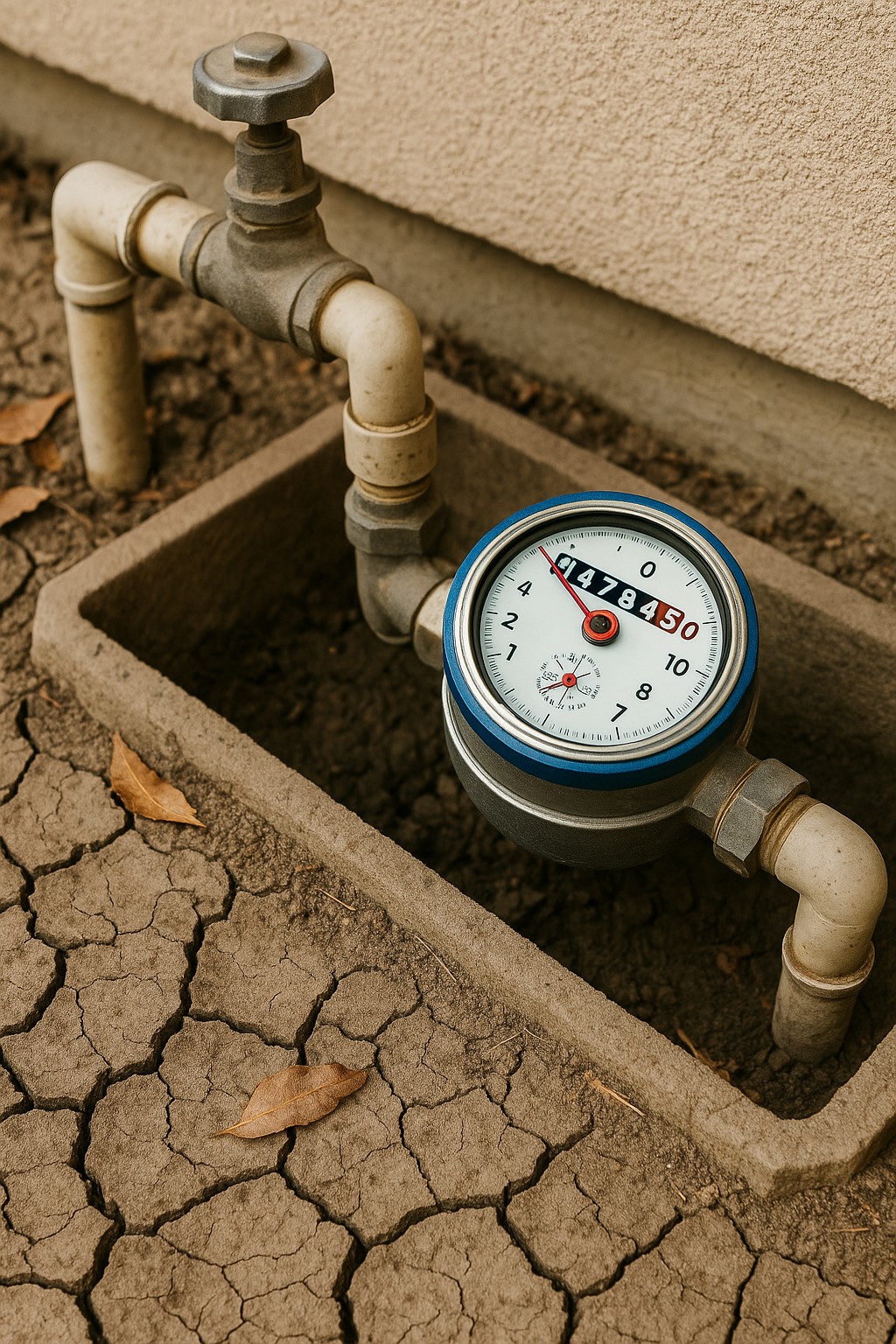
The basic systems attach to your main water line and track overall usage. You’ll get notifications on your phone if they detect unusual activity—like water running at 3 AM when everyone’s asleep. That late-night flow could indicate a running toilet, a leaking pipe, or someone who forgot to turn off the hose outside.
More advanced systems use multiple sensors placed near water heaters, under sinks, behind toilets, and anywhere else leaks commonly occur. These sensors detect moisture and send immediate alerts. You can stop a small problem before it becomes a insurance claim.
The best part? Many smart systems can automatically shut off your main water supply if they detect a catastrophic leak. Imagine you’re on vacation and a pipe bursts. Without smart detection, you’d come home to thousands of dollars in water damage and a massive water bill. With it, the system shuts everything down and sends you an alert. Crisis averted. Vacation saved.
The installation is straightforward enough that many handy homeowners tackle it themselves, though you might prefer having a plumber handle the main line connection. Professional installation typically takes just a couple of hours and ensures everything works properly from day one.
Greywater Systems: Going the Extra Mile
If you’re really serious about conservation, consider a greywater system. These systems capture relatively clean wastewater from your showers, bathroom sinks, and washing machine, then redirect it for irrigation use. It’s water that would otherwise go straight to the sewer, getting a second life in your landscape.
Texas regulations allow greywater use for residential irrigation, though you’ll need to follow specific guidelines. The water can’t pool on the surface, and you can’t use it on vegetables you’ll eat raw. But for watering trees, shrubs, and ornamental plants? It’s perfect. During severe drought conditions, this can make the difference between maintaining your landscape and watching it die.
A simple greywater system might just divert your washing machine discharge to your landscape. More complex systems include filtration and storage tanks that let you collect and distribute greywater more strategically. You’ll definitely want a plumber (and possibly a landscape professional) involved in the design and installation.
The payoff during drought restrictions can be significant. While your neighbors’ landscapes are withering under mandatory watering limits, yours stays green using water that would’ve gone down the drain anyway. You maintain your property value and curb appeal without violating water use restrictions.
Installation costs vary widely depending on system complexity. Simple laundry-to-landscape systems might run a few hundred dollars. Whole-house systems with filtration and storage can cost several thousand. The investment makes most sense if you have significant landscaping to maintain and face regular drought restrictions.
Your Bottom Line
Water conservation isn’t just about being environmentally responsible anymore. In Texas, it’s about being financially smart and preparing for inevitable dry periods. Every gallon you save is a gallon you don’t pay for. Over time, these upgrades pay for themselves through lower utility bills. The math simply works.
Plus, you’re adding value to your home. Water-efficient features are increasingly important to buyers, especially in drought-prone regions. You’re making an investment that protects your comfort, your budget, and your property value. Future buyers will appreciate the lower operating costs and reduced environmental impact.
Start small if you need to. Even just replacing those old showerheads makes a difference. Then build from there as budget allows. Each improvement compounds the benefits of the others, creating a home that uses water intelligently instead of wastefully. You’ll notice the difference in your utility bills within the first month, and those savings continue year after year.